
1.
Pilot Training Course
This course trains individuals to
become licensed pilots. It includes:
- Principles of flight and aerodynamics
- Aircraft systems and instruments
- Navigation and flight planning
- Meteorology (weather)
- Simulator and real flight training
- Aviation laws and regulations
2.
Cabin Crew Course
Prepares trainees to work as flight
attendants. It includes:
- Passenger service and in-flight duties
- Safety and emergency procedures
- First aid and firefighting basics
- Personal grooming and professionalism
- Communication and teamwork skills
3.
Quality Management System (QMS) Course
This course explains how
organizations ensure quality. Topics include:
- Quality management principles
- ISO standards (e.g., ISO 9001)
- Process control and improvement
- Documentation and quality audits
- Continuous improvement
4.
Internal Audit Course
Trains participants to evaluate
internal systems. It includes:
- Audit planning and preparation
- Conducting internal audits
- Risk assessment
- Reporting audit results
- Corrective and preventive actions
5.
Aviation Safety Course
Focuses on maintaining safe aviation
operations. It covers:
- Safety Management System (SMS)
- Hazard identification
- Risk assessment and control
- Incident and accident reporting
- Human factors in safety
6.
Dangerous Goods Course
Teaches how to handle hazardous
materials safely. It includes:
- Classification of dangerous goods
- Packaging and labeling rules
- Documentation requirements
- IATA Dangerous Goods Regulations (DGR)
- Emergency response procedures
7.
Airport Security Course
This course focuses on airport
protection and security. It includes:
- Passenger and baggage screening
- Identifying threats and prohibited items
- Access control
- Security procedures and regulations
- Crisis and emergency response
8.
Train the Trainer Course
Prepares individuals to become
trainers or instructors. It includes:
- Training methods and techniques
- Presentation skills
- Course design and planning
- Managing trainees
- Evaluating learning outcomes
9.
Ticketing and Reservation Course
Covers airline booking and ticketing
systems. It includes:
- Reservation systems (GDS like Amadeus)
- Ticket issuance and fare rules
- Booking procedures
- Customer service
- Airline policies
10.
Aviation Terminology Course
Introduces aviation language and
terms. It includes:
- Common aviation vocabulary
- Abbreviations (IATA / ICAO codes)
- Communication phrases
- Understanding aviation documents
11.
Ground Handling Course
Focuses on airport ground services.
It includes:
- Check-in and boarding procedures
- Baggage handling
- Aircraft ground support
- Ramp operations
- Coordination between departments
Here is a detailed explanation of
each course :
1.
Pilot Training Course
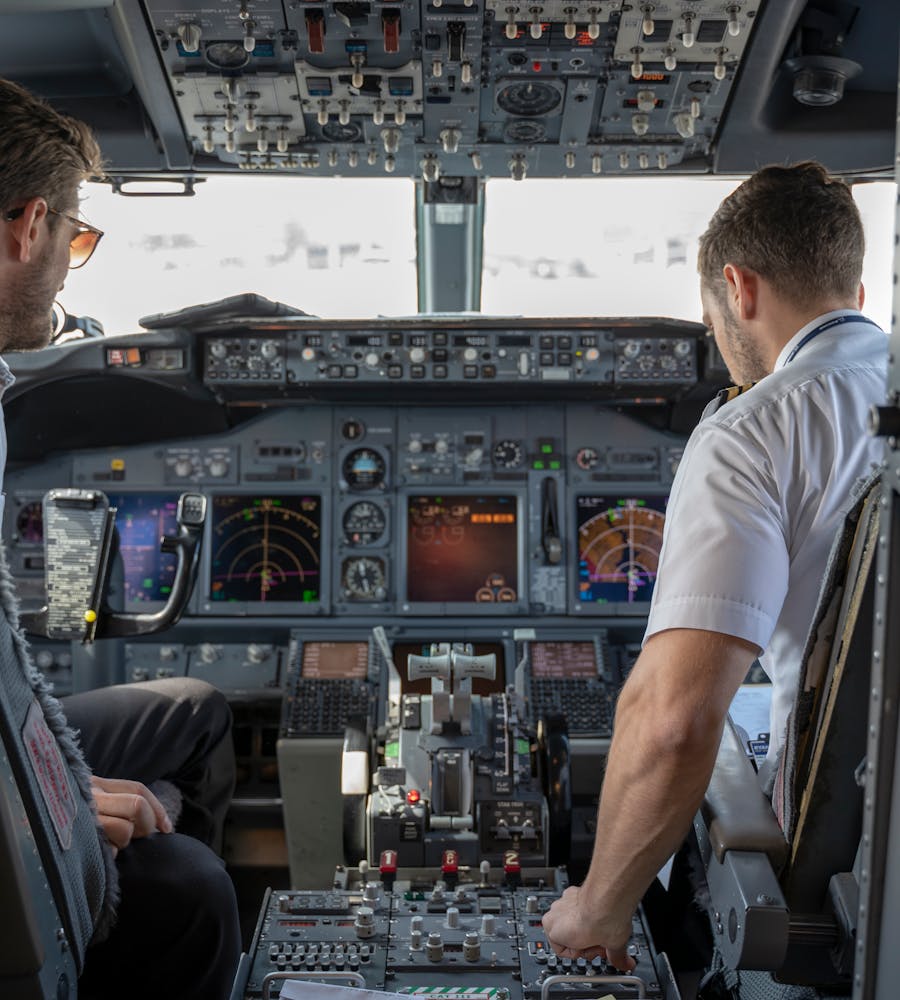
This course is designed to train
individuals to become professional, licensed pilots. It begins with the fundamentals
of aerodynamics, explaining how aircraft generate lift and maintain flight.
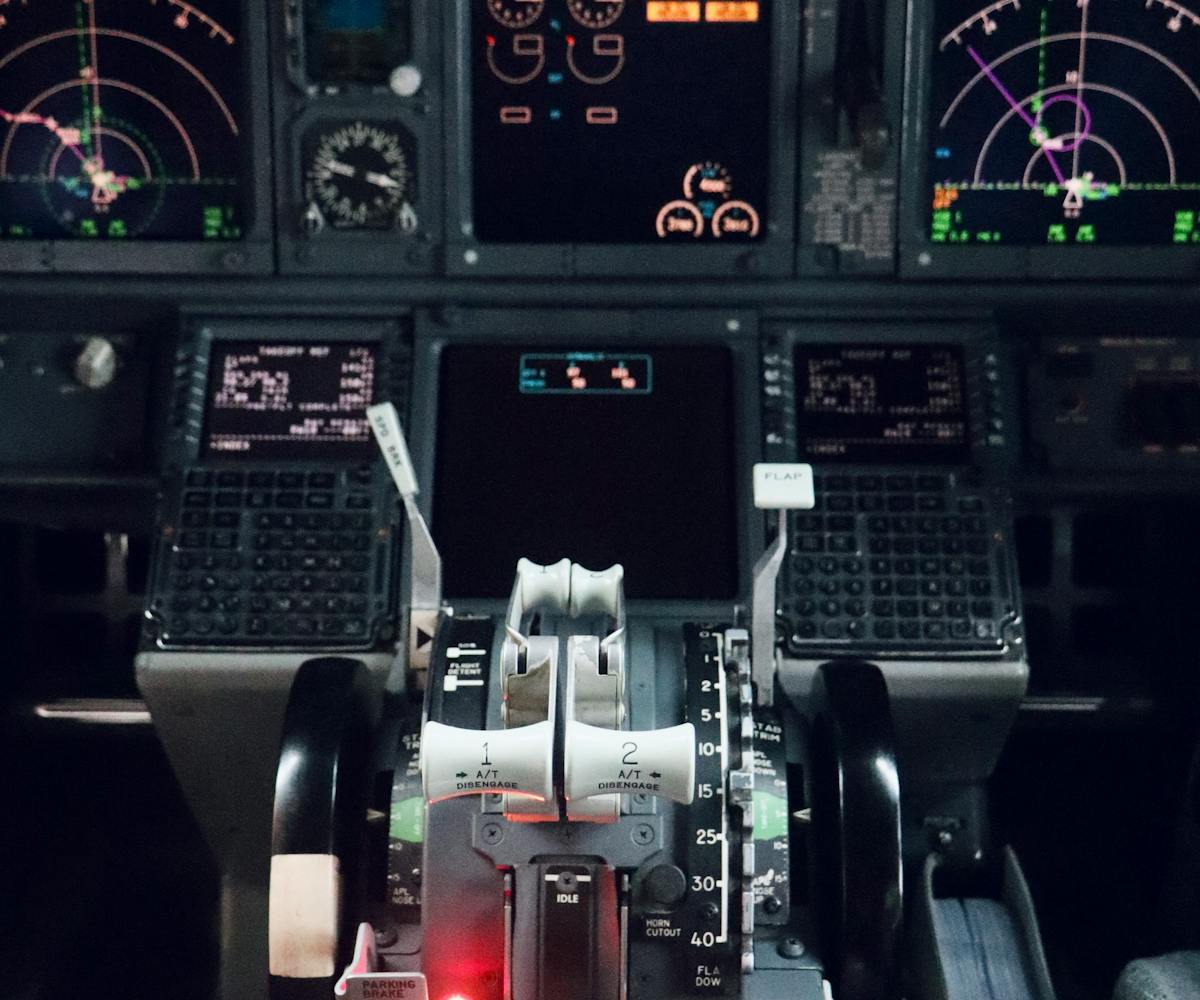
Students learn about aircraft systems, including engines, electrical
systems, and cockpit instruments.
The course also covers navigation techniques, such as reading aviation
charts and planning flight routes. A strong focus is placed on meteorology,
helping pilots understand weather patterns and make safe decisions.
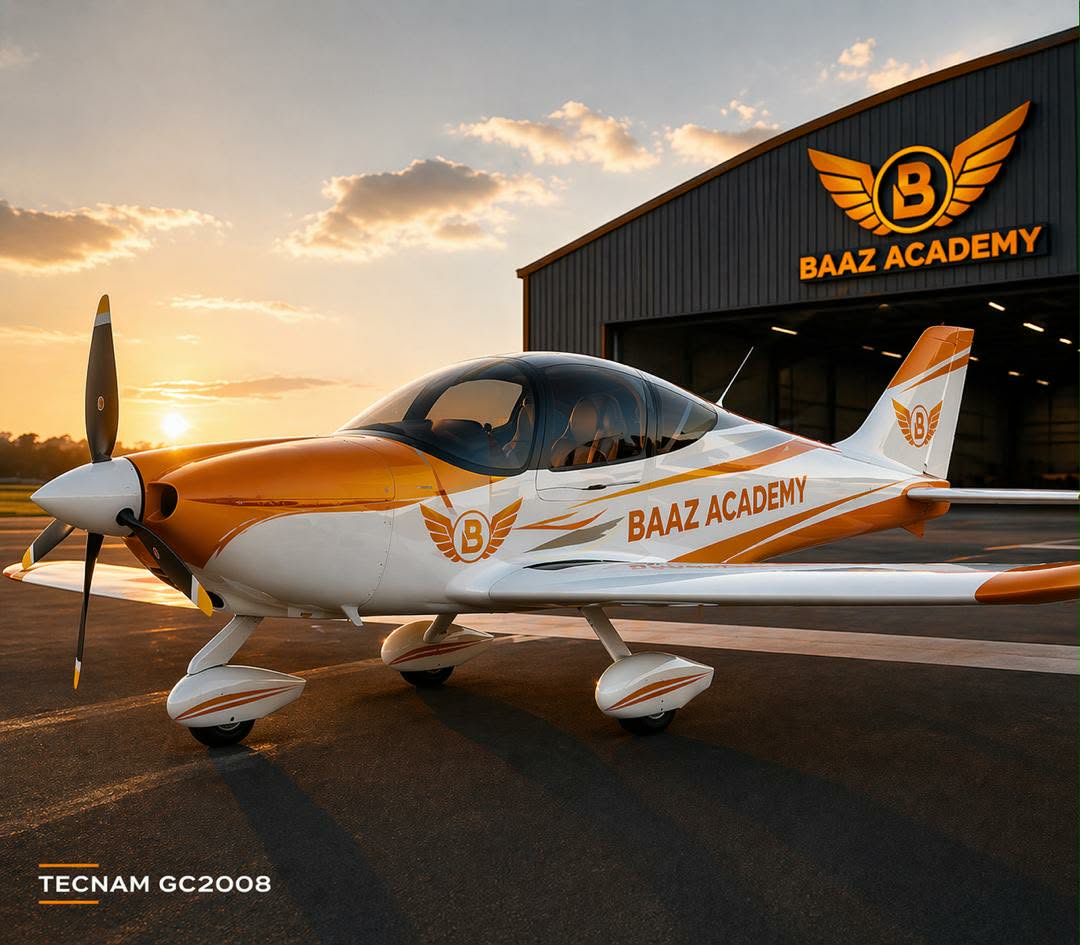
Practical training includes flight simulators and real aircraft
experience under instructor supervision. Additionally, trainees study aviation
laws and regulations to ensure compliance with international and national
aviation authorities.
2.
Cabin Crew Course
This course prepares individuals for
a career as a flight attendant. It focuses on passenger service,
teaching how to assist travelers professionally and ensure their comfort during
flights.
Trainees are trained in safety and emergency procedures, including
evacuation, handling turbulence, and managing onboard incidents. The course
includes basic first aid and firefighting techniques, essential
for handling emergencies.
It also emphasizes personal grooming, etiquette, and professionalism, as
cabin crew represent the airline. Strong communication and teamwork skills
are developed to ensure smooth coordination with other crew members.
3.
Quality Management System (QMS) Course
This course explains how
organizations maintain high standards of quality in their operations. It
introduces the principles of quality management, such as customer focus,
leadership, and continuous improvement.
Participants learn about ISO standards, especially ISO 9001, which is
widely used for quality certification. The course covers process control
methods to ensure consistent performance.
Students are trained in documentation practices, internal quality
checks, and quality auditing techniques. The goal is to help
organizations improve efficiency, reduce errors, and enhance customer
satisfaction.
4.
Internal Audit Course
This course trains individuals to
evaluate and improve internal systems within an organization. It starts with audit
planning, including setting objectives and preparing audit checklists.
Participants learn how to conduct internal audits, collect evidence, and
assess compliance with standards. A key part of the course is risk
assessment, identifying potential issues that could affect operations.
The course also teaches how to write audit reports, present findings
clearly, and recommend corrective and preventive actions to improve
performance.
5.
Aviation Safety Course
This course focuses on maintaining
the highest level of safety in aviation operations. It introduces the Safety
Management System (SMS), a structured approach to managing safety risks.
Students learn how to identify hazards, perform risk assessments, and
implement control measures. The course also covers incident and accident
reporting, helping organizations learn from mistakes and prevent
recurrence.
A key topic is human factors, which examines how human behavior,
fatigue, and communication impact safety.
6.
Dangerous Goods Course
This course teaches how to safely
handle and transport hazardous materials in aviation. Participants learn how to
classify dangerous goods based on international standards.
It covers proper packaging and labeling requirements to prevent
accidents during transport. Students also learn about documentation
procedures required for shipping dangerous items.
The course is based on IATA Dangerous Goods Regulations (DGR) and
includes emergency response procedures in case of spills, leaks, or
accidents.
7.
Airport Security Course
This course focuses on maintaining
security at airports. It trains participants in passenger and baggage
screening techniques, including the use of security equipment.
Students learn how to identify threats, such as prohibited items or
suspicious behavior. The course covers access control systems, ensuring
only authorized personnel enter restricted areas.
It also includes security procedures, international regulations, and emergency
response planning for handling crises such as security breaches or threats.
8.
Train the Trainer Course
This course is designed for
individuals who want to become professional trainers or instructors. It
introduces effective training methods and teaching techniques.
Participants learn how to deliver engaging presentations and improve public
speaking skills. The course also covers course design, including
setting objectives and creating training materials.
It teaches how to manage trainees, handle different learning styles, and
evaluate performance through assessments and feedback.
9.
Ticketing and Reservation Course
This course focuses on airline
booking systems and customer service. Participants are trained to use Global
Distribution Systems (GDS) such as Amadeus.
They learn how to handle ticket issuance, calculate fares, and
understand airline pricing rules. The course includes booking procedures,
cancellations, and modifications.
Strong emphasis is placed on customer service skills and understanding airline
policies to assist passengers efficiently.
10.
Aviation Terminology Course
This course introduces the language
used in the aviation industry. It covers common aviation vocabulary and
technical terms used by pilots, crew, and ground staff.
Students learn abbreviations and codes, including IATA and ICAO airport
and airline codes. The course also teaches standard communication phrases
used in aviation.
Understanding aviation documents and manuals is an important part of the
course, helping learners communicate clearly and professionally.
11.
Ground Handling Course
This course focuses on airport
ground operations and services. It trains participants in check-in and
boarding procedures, ensuring smooth passenger flow.
Students learn about baggage handling systems and how to manage luggage
safely and efficiently. The course also covers aircraft ground support
services, such as refueling and cleaning.
A key area is ramp operations, including aircraft parking and
coordination. The course emphasizes teamwork and communication between
departments to ensure safe and efficient operations.